
Severe Pneumonia and Sepsis: A Medical Emergency Highlighted by Kyle Busch’s Sudden Decline

Kyle Busch, 41, a veteran NASCAR driver, died last week from severe pneumonia that progressed into sepsis, according to a statement released by his family. Relatives reported that he had been coughing up blood the day before his death, a symptom that often signals advanced infection and major breathing problems.
Busch had been hospitalized in the days leading up to the Coca Cola 600. He collapsed during a simulator session and was transported to a nearby medical center, where his condition got worse fast.
What’s Sepsis?
Sepsis is considered a life-threatening medical emergency that occurs when the body has an extreme response to an infection. It can lead to widespread inflammation, organ failure, and a dangerous drop in blood pressure. When pneumonia progresses to sepsis, the infection has typically spread beyond the lungs and into the bloodstream, making immediate treatment essential.
A Wake-Up Call for Those Who Push Through Illness
Busch’s health crisis serves as a wake-up call for many people who tend to push through symptoms or delay medical care. High performing athletes and people with demanding schedules often ignore early warning signs, believing they can recover on their own. This mindset can be dangerous when dealing with infections that escalate quickly.
Symptoms that require urgent medical attention include:
- Fever that won’t go away
- Shortness of breath
- Chest pain
- Confusion
- Coughing up blood
Early treatment can mean the difference between recovery and a life-threatening emergency.
Taking Your Health Seriously
Busch’s passing highlights the importance of listening to our bodies and getting care when something feels wrong. Pneumonia and sepsis remain major causes of preventable death in the United States. Awareness, timely treatment, and a willingness to prioritize health can save lives.
Image: Zach Catanzareti Photo, CC BY 2.0, via Wikimedia Commons
.jpg)
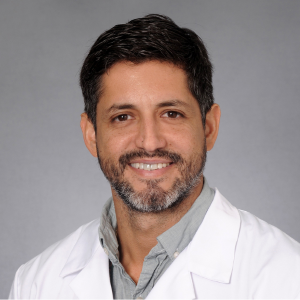
Juan Cesar Fernandez Castillo, MD
Critical Care Medicine, Internal Medicine, Pulmonary Disease
Miami Transplant Institute
1801 N.W. 9th Ave. Miami, Florida 33136