
Silent Threat: The Overlooked Congenital Bleeding Disorders Threatening Women’s Health
By: Miranda Torres
Did you know 30 percent of women who experience heavy bleeding during their periods have an undiagnosed, congenital bleeding disorder? A bleeding disorder is a condition that prevents blood from clotting properly, and oftentimes goes undiagnosed or misdiagnosed, especially in women. It’s estimated that 1 percent of the entire world population might have one or multiple bleeding disorders, many of them being genetic, which is why it’s important to get screened and learn about the risks.
Judy Simms-Cendan, MD, pediatric adolescent gynecologist at Jackson Memorial Hospital, collaborated with Fernando Corrales-Medina, MD, pediatric hematologist at Holtz Children’s Hospital and the University of Miami Hemophilia Treatment Center, to create The Cycle Clinic, a partnership between Jackson Health System and University of Miami Miller School of Medicine. The multidisciplinary team is made up of specialists who can diagnose and treat bleeding disorders, and help manage heavy menstrual bleeding.
Symptoms to Watch For
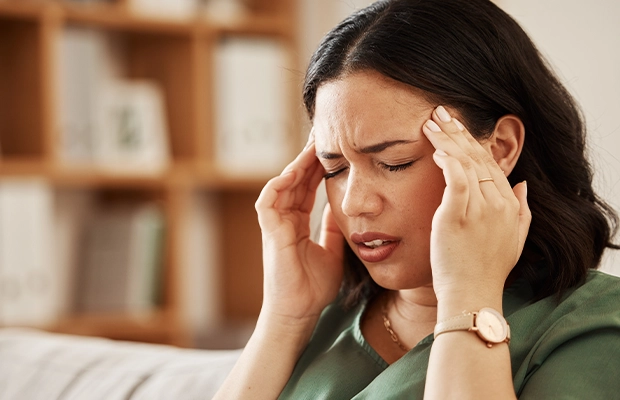
Recognizing the symptoms of bleeding disorders is the first step toward an accurate and timely diagnosis. Some symptoms of a bleeding disorder include nosebleeds, easy bruising, gum bleeding when you brush your teeth, and of course, having a heavy period. Heavy periods are often considered normal for women, especially if it’s in their family history. Many women with heavy periods can have anemia or iron deficiency, which can cause them to feel tired or have frequent headaches. Less than 20 percent of women who have heavy menstrual bleeding ever look into it further.
The most common inherited bleeding disorder is Von Willebrand disease, a condition that slows the blood clotting process. It affects women and men equally, but since men don’t have menstrual cycles, many don’t know they have it.
Prevalence in Women
Women are much more affected by bleeding disorders due to the natural bleeding during menstruation and after childbirth. Recent data suggests that up to one third of women with heavy periods have a bleeding disorder, and about 97 percent of those misdiagnosed with Von Willebrand disease are females.
Women with undiagnosed bleeding disorders, especially those with heavy periods, are nine times more likely to need a blood transfusion over their lifetime. Since girls with bleeding disorders often have heavy periods within a few years of starting their cycle, they should seek medical advice if they occur regularly. Many families are concerned that bringing a teen to a gynecologist would mean they need a pelvic exam, but the good news is the majority of the time that’s not necessary.
The Importance of Early and Accurate Diagnosis
There are treatments available that can be used to prevent severe bleeding complications during surgical procedures and childbirth. By helping the platelets work better, these treatments can prevent blood loss, iron deficiency and the need for blood transfusions. Early detection and awareness are key.
Diagnostic Tools and Procedures
General practitioners can screen for bleeding disorders using surveys and blood tests for anemia and iron deficiency. In some clinics, pediatric patients presenting with heavy menstrual bleeding are routinely screened for bleeding disorders. Women planning to have surgeries for conditions like fibroids or endometriosis should also be screened for underlying bleeding disorders.
Managing Bleeding Disorders
Once diagnosed, treatment options are available to control heavy bleeding and associated symptoms. These include:
- Hormonal and non-hormonal treatments to decrease menstrual bleeding.
- Supplements to combat iron deficiency.
- Specialized care during pregnancy and childbirth to prevent excessive bleeding.
- Therapies to avoid excessive and severe bleeding during surgeries or procedures.
Women with bleeding disorders should inform healthcare providers of their condition before any surgical procedure to ensure the right preparation and care.
Bleeding disorders can pose significant health risks for women. Understanding the symptoms, seeking early diagnosis, and managing the condition with proper medical support can prevent serious complications and improve quality of life.