
Smoky Skies and Hidden Risks: How the Latest South Florida Wildfires Impact Breathing and Overall Health
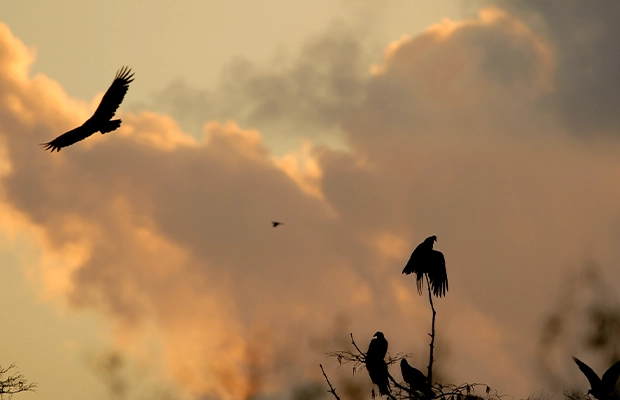
Lately, the skies over South Florida have looked more like Los Angeles during wildfire season than the Sunshine State we know. A series of wildfires, especially across the Everglades, have blanketed parts of Miami-Dade and Broward counties in a thick, smoky haze. For many residents, the smell of smoke has become part of their routine.
However, what many don’t realize is that wildfire smoke isn’t just unpleasant, it’s dangerous. Inside that haze are tiny particles that are small enough to slip deep into our lungs and even enter our bloodstream. They can make healthy people cough or feel tired; and for those with asthma, heart issues, or lung disease, they can turn a normal day into a trip to the ER.
Children, the elderly, and pregnant women are especially vulnerable. Kids breathe in more air per pound of body weight than adults, which means they inhale more pollution, too. Expecting mothers exposed to smoke are more likely to face complications like premature birth. And for older adults, breathing in smoke can increase the risk of heart attacks and strokes.
What can you do to stay safe?
First, check the air quality before heading outside. If it’s in the “unhealthy” range, stay indoors, close your windows, and use an air purifier if you have one. Wearing an N95 mask can help if you need to be outside, but it’s better to avoid it altogether when the smoke is thick.
Try to keep your indoor air clean. Skip burning candles, vacuuming, or anything that adds more particles to the air. If possible, create a “clean room” with filtered air where you or your family can retreat during smoky days.
South Florida might not be known for wildfires, but as climate change fuels hotter, drier seasons, this could become our new normal. That makes awareness and preparation more important than ever – for our lungs, our loved ones, and the future of our communities.