
The Heart of a Soldier: U.S. Army Veteran Battles Post-Surgery Complications After Two Open-Heart Surgeries
By: Ruelle Champion
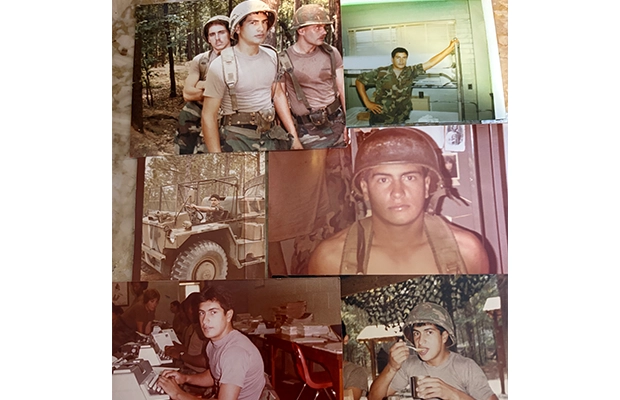
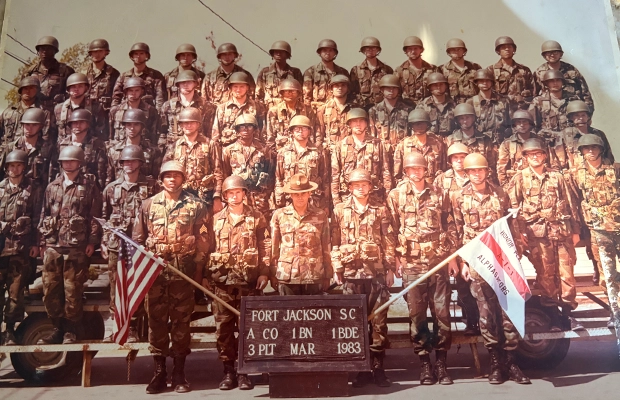
In the 1980s, Jack Martin, 61, served in the United States Army for three years. Martin’s time as a soldier in America’s Guard of Honor, or the 82nd Airborne Division, included traveling the world, jumping out of planes, and training extensively for deployment; all of which required an immense amount of heart.
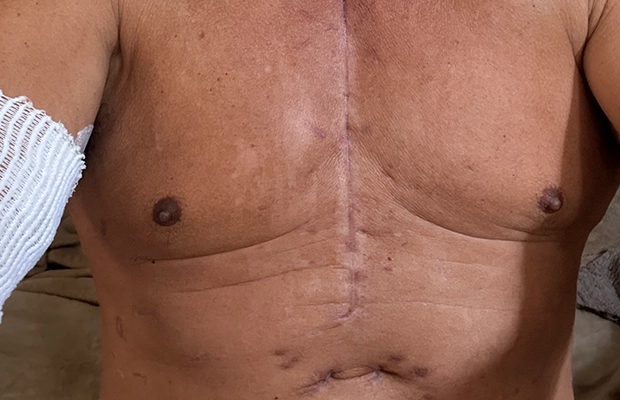
Nearly 40 years later, his heart was put to the test again when the Miami Transplant Institute (MTI), an affiliation between Jackson Health System and UHealth – University of Miami Health System, cared for him after two open-heart surgeries. It all started with routine medical clearances so he can move forward with removing a hernia.
“Safe to say, I still have that hernia,” Martin said.
Martin’s heart doctor noticed he suffered from bicuspid aortic valve with severe aortic stenosis and ascending aortic aneurysm. It means his aortic valve was abnormal and severely narrowed, restricting blood flow to his body, along with abnormal dilation, or expansion, of part of his aorta.
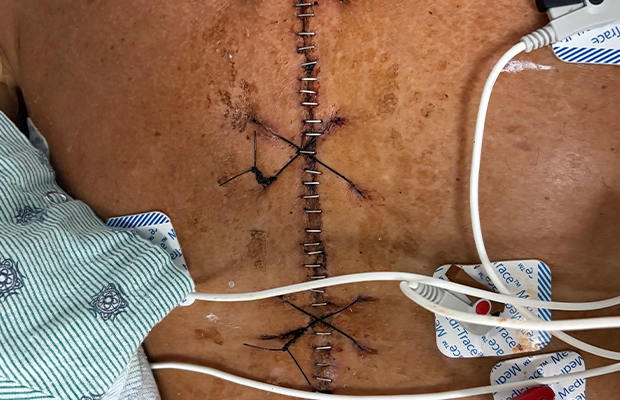
The solution was to schedule an aortic valve replacement and aortic repair. Martin went in for surgery on June 23, 2025, but soon after, he developed acute right heart failure and cardiogenic shock, a life-threatening condition where the heart can’t pump the right amount of blood the body needs. He returned to the operating room on June 27.
“He went back to the OR, had a bypass graft to resume blood flow to the right ventricle,” said Hoda Butrous, MD, advanced heart failure and transplant cardiologist at Miami Transplant Institute (MTI), an affiliation between Jackson Health System and UHealth – University of Miami Health System.
“Martin remained critically sick and had cardiac arrest, which necessitated transfer to Jackson Memorial Hospital for escalation of cardiac support,” Dr. Butrous added.
All Martin remembers is waking up at Jackson Memorial, after being told he was headed back to the operating room. After being transferred, he was immediately placed on extracorporeal membrane oxygenation (ECMO) to support his heart in pumping blood throughout his body.
“It was always a team that would come in and talk to me and they were like, man you’re a miracle,” he said. “It was a really good feeling.”
He was diagnosed with right ventricular failure, or right heart failure, and right coronary artery ischemia, which means reduced blood flow coming out of the right coronary artery.
“Mr. Martin was transferred in a severe state of cardiogenic shock,” said Osama Haddad, MD, cardiothoracic surgeon at MTI.
ECMO helped support Martin’s heart while it regained the strength to pump enough blood throughout his body. Between both hospitals, he was admitted for more than a month, but gradually recovered enough heart strength to be taken off of ECMO. Martin was then started on IV medications, which help fill in the gaps of his heart’s strength.
After 26 days at Jackson Memorial, Martin’s nursing team got him walking again post-surgery before he was discharged on July 23. The MTI advanced heart failure team is monitoring his health to carefully wean him off the IV medication.
Martin credits his recovery journey to the kindness of the nursing staff, the attentiveness of his doctors at Jackson, and the efforts of the entire care team to make sure he never missed a beat in understanding his treatment plan.
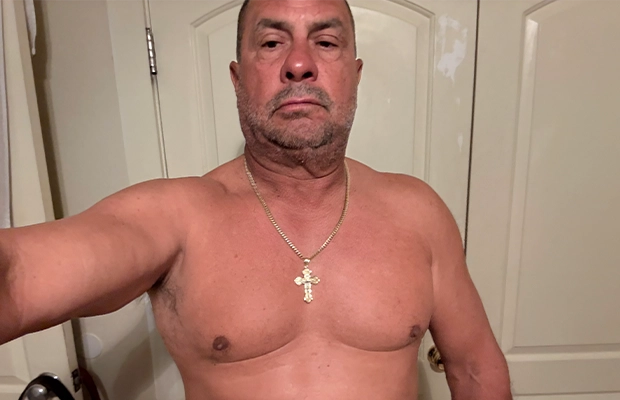
Now, he’s reclaiming his independence by taking long walks, driving on his own, going to the grocery store, and reflecting on his experience with gratitude.
“I know what they did to keep me alive,” Martin said. “I really appreciate them. Appreciate them for saving my life.”
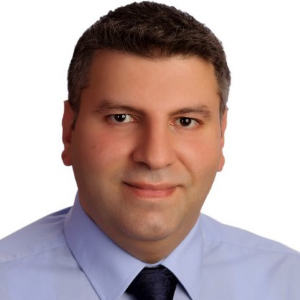
Osama Haddad, MD
Cardiac Surgery
Jackson Medical Group
Miami Transplant Institute
1801 N.W. 9th Ave. Miami, Florida 33136

Hoda Butrous, MD
Advanced Heart Failure & Transplant Cardiology, Cardiovascular Disease, Internal Medicine
Miami Transplant Institute
1801 N.W. 9th Ave. Miami, Florida 33136