
The Hidden Health Risks of South Florida Flooding
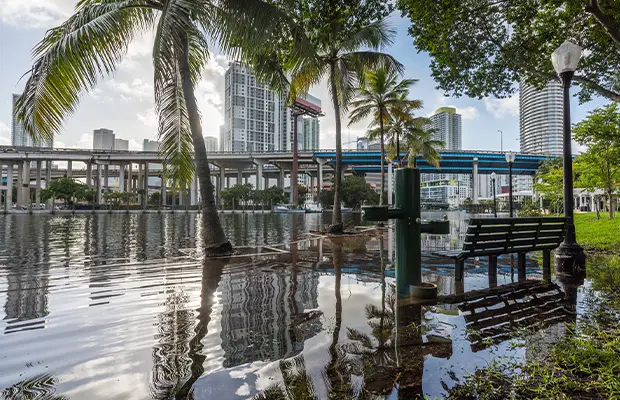
- Floodwaters can contain bacteria, sewage, chemicals, and debris, so avoid walking or driving through flooded areas and wash exposed skin thoroughly.
- Mold can develop within 24 to 48 hours of water exposure; remove standing water, dry affected areas quickly, and monitor indoor humidity.
- Flooding can disrupt medical appointments, prescriptions, and powered medical equipment, so maintain medication supplies, prepare backup power, and monitor Jackson Health System updates.
With heavy rainfall and flood warnings becoming more common in South Florida, protecting your health goes beyond staying indoors and avoiding flooded roads. Persistent rain and standing water can create hidden health hazards, damage homes, and disrupt access to essential medical care. Taking a few precautions can help keep you and your loved ones safe before, during, and after flooding.
Stay Away from Floodwaters
Even when water appears shallow, floodwaters contain harmful bacteria, sewage, chemicals, and debris. Walking or driving through flooded areas can lead to injuries, infections, and even drowning. Avoid flooded streets and sidewalks, and never attempt to drive through standing water. If you come into contact with floodwater, wash your skin thoroughly with soap and clean water. Pay particular attention to cuts or open wounds, which can become infected.
Watch Out for Mold and Moisture
One of the biggest concerns following repeated rainfall is mold growth inside homes and buildings. Moisture trapped in walls, carpets, furniture, and air conditioning systems can create ideal conditions for mold, sometimes within 24 to 48 hours.
After water enters your home, remove standing water and dry affected areas as quickly as possible. Use dehumidifiers or fans when it’s safe to do so, and keep indoor humidity below 60 percent. Look for visible mold, water stains, and musty odors. Mold exposure can trigger allergies, respiratory irritation, and asthma symptoms. Children, older adults, and individuals with respiratory conditions or weakened immune systems should take extra precautions and avoid cleaning heavily affected areas.
Plan Ahead for Medical Care
Flooding can also interrupt everyday healthcare routines. Transportation challenges, power outages, and temporary closures may affect medical appointments and access to prescriptions.
Keep essential medications, medical supplies, and important health information in a waterproof, easily accessible location. If you rely on powered medical equipment, have a backup power plan. Check with your healthcare provider or pharmacy about appointment changes and prescription refills before severe weather makes travel difficult. Never delay emergency medical care because of flooding; call 911 when needed.
Stay Informed and Put Safety First
Flood warnings should never become background noise. Monitor local weather alerts, follow evacuation guidance, and check road conditions before traveling. A little preparation can make a significant difference in protecting your health and keeping your loved ones safe throughout South Florida’s rainy season.
Your Health Is Our Priority
At Jackson Health System, the health and safety of our community remains a priority, even when severe weather creates challenges. It’s important to stay informed, prepare, and know when to seek medical attention.