
The Mental Health Toll in the Wake of the FSU Shooting and Where to Find Help
By: Krysten Brenlla
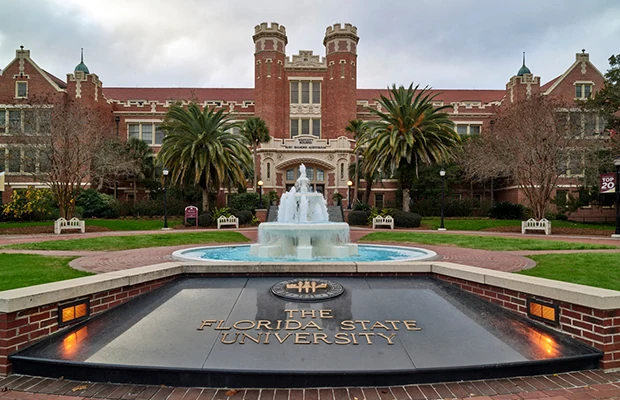
The recent mass shooting at Florida State University has taken a huge emotional toll on students, faculty, and the broader community. Traumatic events like these can cause psychological distress that may feel overwhelming.
The Psychological Impact of Mass Shootings
Exposure to mass shootings – whether direct or indirect – can have lasting effects on the mental health of survivors, witnesses, and even those watching the events on the news and social media.
“After such a traumatic incident, it’s common to experience shock, fear, anger, or numbness,” said Natasha Poulopoulos, PhD, a licensed psychologist at Holtz Children’s Hospital. “Even those not directly involved may experience collective trauma, leading to a persistent sense of fear and distress.”
This collective trauma can contribute to feelings of hopelessness, emotional exhaustion, and a loss of trust in safety. Constant exposure through social media can intensify these feelings, leaving many people feeling helpless or angry.
For some, these symptoms are likely to go away with time. But for others, the trauma can lead to long-term effects, including post-traumatic stress disorder, depression, and anxiety.
“Continuous and prolonged exposure to the media covering the mass shooting incident can make stress worse,” Dr. Poulopoulos said. “It’s important to stay informed, but it’s essential to take breaks from media coverage. Share your feelings with friends, family, or support groups to alleviate feelings of isolation. Try to maintain your regular routines and activities – doing so can restore a sense of control in the face of tragedy.”
Why Professional Support Matters
Jackson Behavioral Health Hospital provides comprehensive mental health services for adults and kids. Patients have access to a multidisciplinary team – including psychiatrists, psychologists, nurses, social workers, and therapists – trained in treatments for a variety of mental health disorders. For additional mental health resources, speak to your doctor for a referral to an expert who specializes in your mental health needs.
Whether you’re dealing with emotional distress after a recent incident or long-term trauma, seeking professional support can be a big step toward healing.
“If you’re struggling, please don’t hesitate to reach out to mental health professionals. You don’t have to carry this alone. We are here to help,” Dr. Poulopoulos said.
If you or someone you know is experiencing a mental health crisis, call the Suicide & Crisis Lifeline at 988.
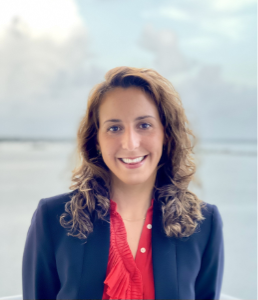
Natasha Poulopoulos, PhD
Clinical Psychology, Psychology
Natasha Poulopoulos
1695 NW 9TH AVENUE MIAMI, FL 33136