
The TikTok Effect
Dr. Clara Ospina
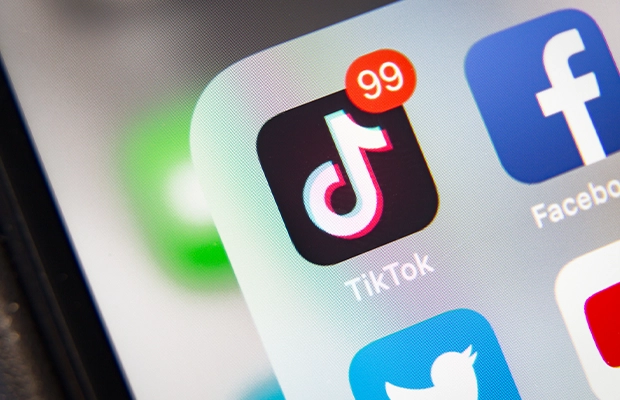
TikTok serves as a hub for community, entertainment, and connection for many users. However, the recent ban in the U.S. has prompted discussions about the platform’s true nature and its effects.
The uncertainty surrounding TikTok is particularly challenging for children, teenagers, and young adults who’ve never known a world without technology. The lines between the content created on these platforms and real life can often blur, which may have damaging effects on mental and physical health. Phone use and social media have become integral parts of daily routines, and while “phone addiction” has varying definitions, the excessive time spent on social media is a significant concern.
According to mental health experts, platforms like TikTok can lead to serious dependency. Features like incentives to keep scrolling and hiding the time of day contribute to users getting lost in the algorithm. This, along with other factors, can result in ”doomscrolling”, scrolling for prolonged periods of time, possibly consuming negative news.
The time spent on TikTok can also impact mental health, triggering conditions like depression and anxiety.
Additionally, it can take away from activities or priorities that promote self-improvement, like exercise and interacting with friends and family.
Moreover, social media platforms are notorious for promoting unrealistic standards in wealth, lifestyle, and body image. Sensitive topics are often glamorized, which can be harmful and spread misinformation. Regular consumption of this type of content can lead to lowered self-confidence.
Consider replacing time spent on TikTok and other social media platforms with healthier outlets this new year. There are connections, communities, and entertainment to be found all around you, not just on your phone.

Clara Lora Ospina, PsyD
Psychology
Jackson Behavioral Health Hospital
1695 N.W. 9TH AVE. SUITE 1208-D, MIAMI, FL 33136