
Tiffani Thiessen’s Diagnosis Highlights Adult Hip Dysplasia
- Hip dysplasia can affect adults: This condition occurs when the hip joint doesn’t form properly. Some people don’t develop symptoms until adulthood.
- Know the warning signs: Ongoing hip or groin pain, stiffness, and trouble walking may be signs of hip dysplasia or another hip problem.
- Treatment depends on the damage: Options may include physical therapy, medicine, or surgery. Not everyone with hip dysplasia needs a hip replacement.
Hip pain isn’t always a normal part of getting older. Even though hip dysplasia is often found in babies and children, actress Tiffani Thiessen’s recent health update shows that it can affect people well into adulthood.
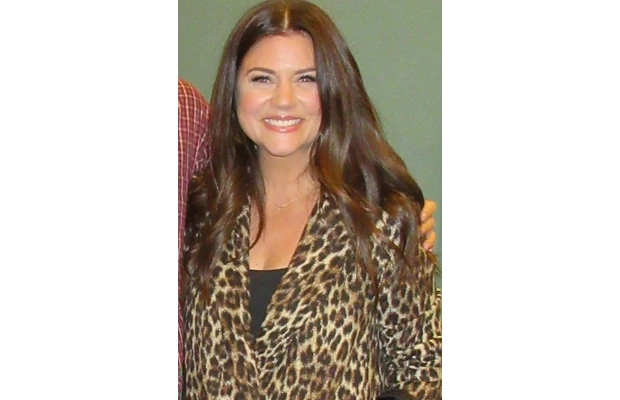
The Saved by the Bell actress, 52, shared that she needs hip replacement surgery after being diagnosed with hip dysplasia and a torn labrum. Her story raises an important question: Can you have a hip condition for years without knowing it?
What’s Hip Dysplasia?
Hip dysplasia happens when the hip joint doesn’t form as it should. Think of the hip as a ball sitting inside a cup. When the cup is too shallow, it doesn’t fully cover the ball. This can make the joint less stable and put extra stress on it over time.
Mild cases can go unnoticed for years, with symptoms first appearing in adulthood.
Can You Have Hip Dysplasia Without Knowing It?
Yes, some people are born with hip dysplasia but have no symptoms as children.
As they get older, extra stress on the joint can lead to pain and damage. Some people notice pain during exercise, while others feel it after standing or walking for long periods.
Hip dysplasia can also put extra stress on the labrum, a ring of soft tissue that cushions and supports the hip. This may lead to a tear.
What Are the Signs of Hip Dysplasia in Adults?
Hip pain can have many causes. However, common signs of hip dysplasia include:
- Pain in the front of the hip or groin
- Pain that gets worse with activity
- A feeling that the hip is loose or unstable
- Limping or trouble walking
- Stiffness or trouble moving the hip
If you have ongoing hip pain, talk with your doctor. Not all hip pain is caused by dysplasia, so a medical evaluation is important.
Does Hip Dysplasia Mean You Need Hip Replacement Surgery?
Not everyone with hip dysplasia needs surgery. Treatment depends on your age, symptoms, and how much damage has occurred.
Options may include:
- Physical therapy: Exercises can help build strength and support the hip.
- Medicine: Certain medication may help ease pain and swelling.
- Other procedures: Some treatments may improve how the hip joint moves.
- Surgery: In more serious cases, surgery may help repair or improve the joint.
Hip replacement may be an option when the joint has severe damage or arthritis. A specialist can help determine the right treatment.
When Should You See a Doctor for Hip Pain?
Don’t assume hip pain is just part of getting older. If pain keeps coming back or makes it hard to walk, exercise, or enjoy daily activities, talk with your doctor. They can check how your hip moves and recommend X-rays or other imaging tests to find the cause.
Finding the problem can help you understand your treatment options and stay active.
Keep Moving, But Listen to Your Body
Staying active is important at every age, but you shouldn’t have to push through pain. If you’re experiencing discomfort, take a break and talk with your doctor.
Whether you enjoy walking, dancing, playing sports, or spending time with loved ones, taking care of your joints can help keep you doing what you love.
