
Tua Tagovailoa’s Football Career Uncertain: What Are the Lingering Effects of a Concussion?
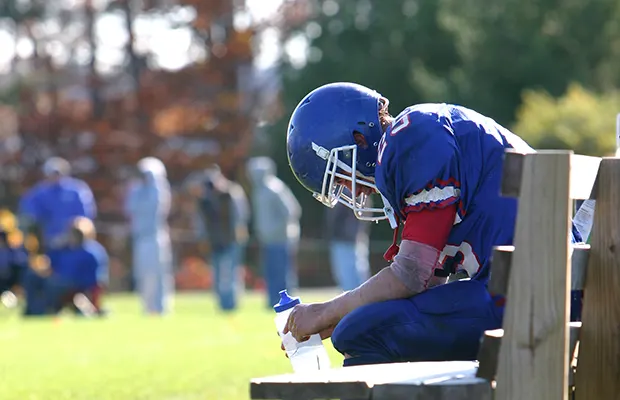
Tua Tagovailoa’s Football Career Uncertain: What Are the Lingering Effects of a Concussion?
After the recent buzz around Tua Tagovailoa’s concussion, it’s clear the conversation about head injuries isn’t going away anytime soon. While it’s important to understand the immediate symptoms of a concussion, many people don’t realize the long-term side effects. Let’s break down what lingering effects can look like and how to navigate them.
What happens after the initial injury?
When most people think about concussions, they focus on the symptoms right after the injury –headaches, dizziness, and confusion. But for some, those issues can turn into a longer journey. Even if you feel better physically, you might still deal with some tricky side effects that impact your everyday life.
Common Lingering Symptoms
- Mental struggles: Some people find it hard to focus, remember things, or keep up with conversations. This can be especially frustrating in school or at work, where staying sharp is crucial.
- Emotional rollercoaster: Mood swings, anxiety, and even depression can pop up after a concussion. You might find yourself feeling more irritable or down than usual, which can strain relationships and social interactions.
- Sleep problems: Trouble sleeping is a common complaint. Whether it’s insomnia or just feeling tired all the time, poor sleep can add to those mental and emotional struggles.
- Ongoing physical symptoms: Headaches and sensitivity to light or noise may stick around longer than expected, making everyday activities feel overwhelming.
Staying on Top of Your Recovery
To tackle these long-term effects, ongoing care is important. Here are some practical tips:
- Check in regularly: Keep in touch with doctors who understand concussions. They can help track your recovery and recommend next steps, whether it’s seeing a specialist or getting physical therapy.
- Cognitive therapy: If you’re struggling with memory or concentration, cognitive rehabilitation can make a difference. These targeted exercises help improve your mental skills over time.
- Emotional support: Don’t hesitate to reach out for help if you’re feeling down or anxious. Talking to a therapist can provide tools to manage these feelings. Plus, connecting with others who’ve been through similar experiences can be very helpful.
- Make healthy choices: Regular exercise, a balanced diet, and good sleep habits can boost your recovery. Mindfulness practices like meditation can also help you find some calm amidst the chaos.
Recognizing Long-Term Implications
“The question of whether repeated concussions can lead to premature dementia has been settled – it can, though not commonly,” said Dr. Roberto Heros, retired neurosurgeon and chief medical administrative officer of Jackson Health System’s Ambulatory and Primary Care Services. “Interestingly, even repeated minor head trauma without overt concussions can have similar effects. While we don’t know if some individuals are more prone to repeated concussions or cognitive decline, it’s important to take sports-related concussions seriously, and seek expert medical advice, even if recovery seems complete. Fortunately, the majority of concussions do not result in lasting consequences.”
While the immediate effects of a concussion are critical to address, the lingering impacts deserve attention, too. By staying informed and proactive about recovery, we can better support athletes and ensure they have the tools they need to navigate their journey back to full health.
If you or someone you know is dealing with a concussion, our team at Jackson is here to help. Visit JacksonHealthSystem.org for more information on our comprehensive care services.

Roberto Heros, MD
Neurological Surgery
JHS Neurological Surgery Department
1095 NW 14TH TERRACE LOIS POPE LIFE CENTER D4-6, MIAMI, FL 33136