
Understanding Brain Health: What Billy Joel’s Condition Reminds Us About Neurological Disorders
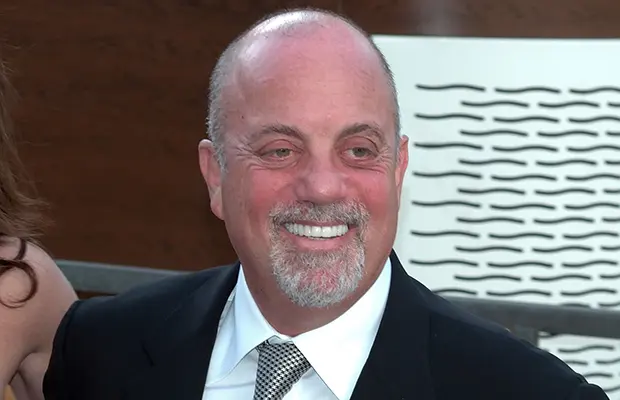
Music legend Billy Joel recently shared that he’s been diagnosed with a brain condition called normal pressure hydrocephalus, or NPH. Many people have never heard of NPH, but it affects thousands of adults, especially those who are 60 and older. The good news? It can be treated, and many people feel much better after getting care.
What’s NPH?
Our brains are surrounded by a clear fluid called cerebrospinal fluid (CSF). This fluid protects the brain and helps carry nutrients. Sometimes, CSF builds up in spaces inside the brain called ventricles. When that happens, it can press on the brain and cause problems.
Even though the word “pressure” is in the name, doctors often find that the fluid pressure looks normal during tests; that’s why it’s called normal pressure hydrocephalus.
What’re the signs?
NPH is sometimes called a “hidden” condition because its symptoms can look like normal aging or other brain problems like Alzheimer’s or Parkinson’s. But NPH has three common signs:
1. Trouble walking – You might feel like your feet are stuck or shuffling. Some people say they feel like they’re walking on glue.
2. Memory problems – You may forget things more often or have trouble focusing.
3. Bladder issues – You might feel like you need to go to the bathroom often or can’t hold it in.
“People often think these symptoms are just part of getting older, but NPH is different—it’s treatable,” said Vianney Rosales, an assistant nurse manager in the neurosurgical intensive care unit at Jackson Memorial Hospital. “If caught early, many people can improve.”
How’s NPH treated?
Doctors can look for NPH using brain scans like a CT or MRI. They can then do a simple procedure called a lumbar puncture, where they drain a small amount of fluid to see if the symptoms improve.
If NPH is confirmed, doctors will recommend a small device called a VP shunt in the brain. The shunt helps drain the extra fluid to another part of the body, where it’s safely absorbed. Many people feel better after the surgery—walking more steadily, thinking more clearly, and having fewer bladder problems.
Brain Health in the Spotlight
When a public figure like Billy Joel shares a health challenge, it shines a light on issues many deal with privately. This kind of visibility helps reduce stigma and encourages people—especially those 60 and older or with a family history of brain disease—to schedule regular check-ups.
“Brain health isn’t just about disease,” Rosales said. “It’s about protecting your memory and thinking skills through healthy habits; eating well, exercising, managing conditions like high blood pressure or diabetes, and staying mentally active.”
Take Action
If you or a loved one are noticing changes in walking, memory, or bladder control, don’t ignore it. These may be signs of a condition that can be treated.
Talk to your primary care doctor. Help is available, and early care can make all the difference.
Image: David Shankbone, CC BY 3.0, via Wikimedia Commons
