
Unlocking the Code of Your Baby’s DNA: How Genetic Testing is Revolutionizing Infant Health
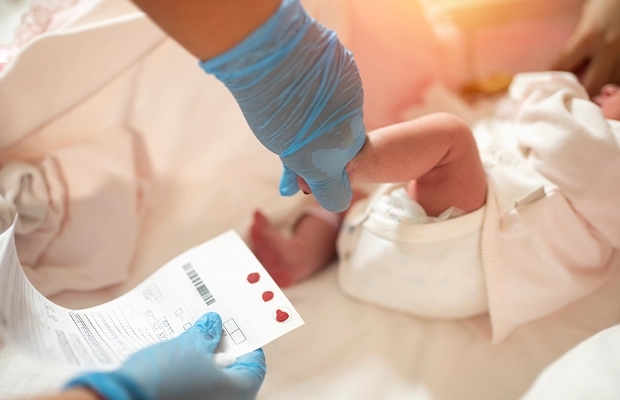
In health care, genetic testing has become a game-changer, particularly when it comes to infants and children. This innovative science isn’t just about understanding ancestry or predicting genetic conditions. Today, genetic testing is paving the way for life-saving care, offering parents and doctors a powerful tool to unlock the secrets of a newborn’s DNA. But how does this technology work, and why is it so important for the health of your baby?
What’s genetic testing for infants?
Genetic testing in infants involves analyzing a small sample of DNA to understand a baby’s genetic makeup, or unique genes that make a person who they are. This testing is now more advanced than ever, using cutting-edge technologies like rapid genomic sequencing (a quick way to analyze DNA to help find what causes or contributes to a medical condition), often combined with biological analysis, to identify genetic disorders, particularly rare diseases. These conditions, which may not be detectable through traditional testing, can be predicted and managed much earlier in a baby’s life.
With the help of genetic testing, doctors can uncover information about how a baby’s body will respond to treatments, medications, and even nutrition. This means a level of care that wasn’t possible just a few years ago.
What role does genetic testing play in treating rare diseases?
Advances in genomic sequencing have allowed researchers to identify genetic mutations linked to rare diseases, and develop tailored treatments.
Dr. Pankaj Agrawal, chief of neonatology at Jackson Health System, is a pioneer in genetic research, and has been at the forefront of these efforts. His work focuses on using genetic data to identify the causes of rare diseases and developing personalized care plans. For babies born with these rare genetic disorders, early intervention is crucial. Genetic testing offers the potential for life-saving treatments, giving doctors the ability to intervene before symptoms even appear.
How does genetic testing work for babies?
In most cases, a saliva sample or a small blood test is all that’s needed to collect DNA from babies. Advanced technologies, like whole-genome sequencing (a method that determines a complete DNA sequence), analyze the genetic material to detect any variations or mutations that can lead to health issues. By some estimates, 10 to 20 percent of babies admitted to a neonatal intensive care unit may have an underlying genetic condition.
In certain cases, by finding specific genetic markers, doctors can also make predictions about how a baby’s body might react to certain medications and treatments. Understanding these differences helps doctors improve care plans for better outcomes.
How can genetic testing help predict and prevent health issues before they happen?
What makes genetic testing so powerful is its ability to act as a proactive health tool. Rather than waiting for symptoms to appear, doctors can use the genetic data to predict potential health issues and take preventative measures. This could mean adjusting therapies or interventions for conditions that may not appear for months or even years.
Genetic testing also allows doctors to evaluate a baby’s growth and development over time. This approach leads to more effective treatments and a higher likelihood of better health outcomes.
What’s the future of genetic testing in pediatric care?
In the future, genetic testing can become a routine part of infant care, allowing doctors to provide highly targeted treatments right from birth.
With the ability to predict, prevent, and personalize care, genetic testing is transforming the way we approach treating diseases, and offering new hope for babies born with rare genetic conditions. As we unlock the genetic code of our children, we’re not only gaining a better understanding of their health, but also opening the door to a future where tailored, proactive treatments can change the course of pediatric care forever.

Pankaj Agrawal, MD
Neonatal-Perinatal Medicine
Holtz Children’s Hospital
1611 N.W. 12th Avenue Miami, Florida 33136