
What Causes Heart Attacks in Young People? Key Factors to Consider

Why Heart Health Matters at Every Age
When you think of heart attacks, you might picture someone older. But heart attacks can happen in young people—even in their 20s and 30s.
A heart attack, also called a myocardial infarction, happens when blood flow to part of the heart muscle is suddenly blocked, usually by a Plaque (atheroma), the fatty material that builds up inside the arteries. Without oxygen-rich blood, the heart muscle will be damaged due to “ischemic” heart disease that without effective medical or surgical treatment can lead to sudden cardiac death or heart failure.
Sudden cardiac death is the leading cause of death among young athletes. It can happen to anyone, even someone who seems perfectly healthy. Sometimes it happens during exercise, other times at rest. An undiagnosed or hidden heart condition is often the cause.
The good news is that learning about heart disease and understanding your risk can help you stay healthy and prevent from heart disease.
Understanding Risk of Heart Attack in Young People
Heart attacks in young adults are becoming more common. Certain risk factors can raise your chances of having one:
- High blood pressure and high cholesterol can damage blood vessels over time. This makes it easier for atheroma to accumulate/ or ruptureand block blood flow to the heart muscle. High blood pressure can also make the heart muscle thicken, which raises the risk of heart problems.
- Smoking, even socially, and using e-cigarettes (vaping) can hurt your arteries. Both raise your risk of heart disease and heart attack.
- Diabetes raises blood sugar levels. Over time, this damages blood vessels, which increases your risk of heart disease.
- Inactive lifestyle and poor diet also add to your risk. Many young people spend too much time sitting and eating fast food.
- Family history matters, too. If heart disease runs in your family, your risk is higher, even if you feel fine.
- Being overweight or obese often comes with other health problems, like high blood pressure, diabetes, and high cholesterol. These all add to your heart attack risk.
- Stress and inflammation in the body can also damage heart tissue and increase your risk of heart attack.
Understanding Heart Attack Symptoms
Heart attack symptoms in young people aren’t always what you see in movies. They can also look different in men and women.
In men, chest pain or pressure is usually the most common symptom. Women, however, may be more likely to experience:
- Shortness of breath
- Nausea or vomiting
- Pain in the back, neck, or jaw
- Feeling lightheaded or extremely tired
Some women may not have chest pain at all.
No matter your age or gender, it’s important to know the warning signs:
- Chest pain or pressure
- Shortness of breath
- Dizziness or feeling lightheaded
- Nausea or breaking out in a cold sweat
- Pain that spreads to the arm, neck, jaw, or back
Sudden cardiac arrest, when the heart stops beating, can sometimes happen without warning. That’s why it’s so important to know the signs and seek medical help right away.
The sooner you act, the better your chances of recovery. This is especially important if you have a family history of heart problems or know you’re at higher risk.
Reducing Heart Attack Risk
There are many steps young people can take to lower their risk:
- Quit smoking and avoid using e-cigarettes (vaping).
- Get regular exercise.
- Keep a healthy weight and eat a balanced diet.
- Find ways to manage stress.
- Go for regular check-ups with your doctor.
Changing your lifestyle can go a long way toward keeping your heart healthy. The more you know about your risks, the more you can do to protect yourself.
Cardiology Care
If you’re concerned about your heart health, talk with your doctor. They can recommend screenings and steps to help keep your heart strong.
At Jackson Heart Institute, we’re here to help you care for your heart for life.
Learn more about our cardiology services here.
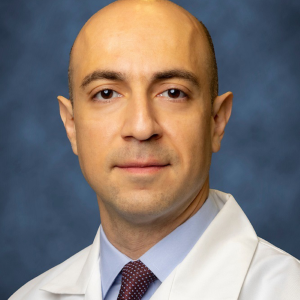
Farhang Yazdchi, MD
Cardiac Surgery
Jackson Medical Group
Jackson Heart Institute – Health District
1801 N.W. 9th Ave. Suite 600, Miami, Florida 33136
Jackson Heart Institute – Jackson South
9380 S.W. 150th St. Suite 295, Miami, FL 33176