
What to Know About a Short Cervix During Pregnancy
Learning that you have a short cervix during pregnancy can feel confusing or even scary. But with the right care and support, many women go on to have healthy, full-term babies.
What is a Short Cervix?
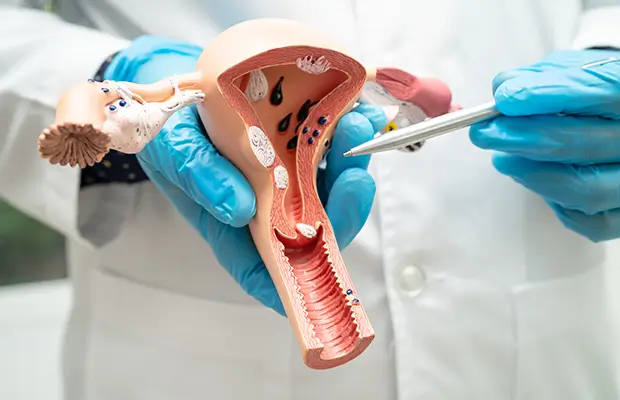
The cervix is the lower part of the uterus. During pregnancy, it stays long and closed to help keep your baby safe inside the womb. A short cervix, also called cervical insufficiency or incompetent cervix, means the cervix is shorter than it should be at that point in pregnancy. This can make it more likely to open too early, which increases the risk of preterm labor or premature birth.
How is a short cervix diagnosed?
A short cervix is often found during a routine ultrasound between 16 and 24 weeks of pregnancy. Your doctor may use a transvaginal ultrasound, which is a type of imaging that gives a closer look to measure your cervical length. You may also need more frequent checkups if you’ve had a preterm birth before or have a history of cervical issues.
What are the symptoms of a short cervix?
Many women with a short cervix don’t have any symptoms. However, some may experience:
- Pelvic pressure
- Vaginal bleeding
- Lower back pain
Even if you don’t notice any signs, your doctor may still find the condition during an ultrasound. Early detection is important to help lower your risk of complications.
Why does a short cervix matter?
A short cervix is linked to a higher risk of preterm birth, which happens when a baby is born before 37 weeks. Babies born too early may need extra medical care and sometimes face long-term health issues. That’s why it’s so important to monitor and manage the condition closely.
What are the treatment options?
If you’re diagnosed with a short cervix, your doctor may recommend one or more of the following treatments:
- Cervical cerclage – A stitch placed in the cervix to help keep it closed. It’s usually done between 12 and 24 weeks.
- Vaginal progesterone – A hormone treatment that may lower the risk of early labor.
- Activity changes – You might be asked to rest more, avoid heavy lifting, or limit how much time you spend standing.
- Cervical pessary – A soft device placed in the vagina to support the cervix without surgery.
Your provider will suggest a plan that fits your needs and stage of pregnancy.
What can you do to stay healthy?
Along with medical care, there are steps you can take at home to support a healthy pregnancy:
- Get plenty of rest
- Eat a balanced diet
- Drink lots of water
- Avoid stress as much as possible
- Follow your doctor’s advice on activity limits
You may also find it helpful to try relaxation techniques like deep breathing, stretching or meditation. Taking care of your mental health is just as important as your physical health.
What about future pregnancies?
If you’ve had a short cervix in one pregnancy, there’s a higher chance it could happen again. Talk with your doctor before getting pregnant again so they can monitor you closely from the start. Early care and planning can help reduce the risk in future pregnancies.
You’re not alone
A short cervix may add extra challenges, but with the right care team, many women go on to have full-term, healthy pregnancies. At Jackson, we’re here to support you every step of the way, from diagnosis to delivery.
Have questions or need to find a high-risk pregnancy specialist? Request an appointment today. We’re here to help you feel informed, supported and confident on your journey to motherhood.