
What’s “Scromiting”? Understanding Cannabis Hyperemesis Syndrome and How We Can Help
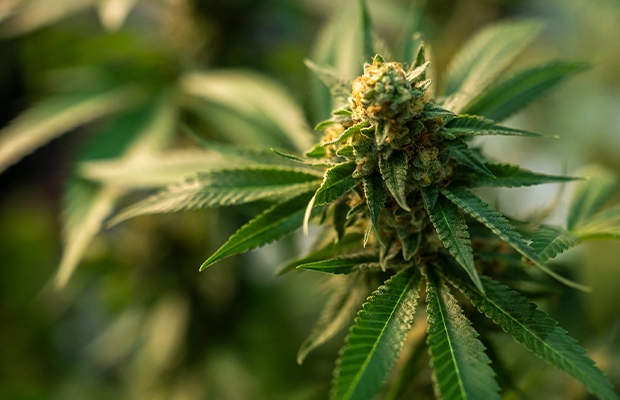
A new term has been making headlines recently: scromiting, a combination of screaming and vomiting. This nickname refers to extreme episodes linked to cannabinoid hyperemesis syndrome (CHS), a condition seen in people who use cannabis, commonly known as marijuanna, heavily over time.
CHS occurs when chronic cannabis use affects the body’s normal ability to regulate nausea, triggering ongoing nausea, severe stomach pain, and uncontrollable vomiting. In extreme cases, the vomiting is so intense that patients scream, giving rise to the term “scromiting.”
Symptoms to watch for
CHS typically develops gradually and progresses through three phases:
- Prodromal (early): Mild nausea, stomach discomfort, low appetite, often without vomiting.
- Hyperemetic (active): Non-stop nausea and vomiting, bad stomach pain, weight loss, and dehydration. Many patients report relief after hot showers. This is when scromiting often occurs.
- Recovery: Symptoms improve over days to weeks after stopping cannabis. Returning to use can trigger symptoms again.
Other common signs include muscle cramps, dizziness, dark urine, and rapid heartbeat.
When to seek medical care
Knowing whether to visit an urgent care center or the emergency room depends on how bad your symptoms are:
Urgent care may be appropriate if:
- Nausea is mild or comes and goes
- Vomiting is occasional and fluids are manageable
- Pain is mild and no dehydration
Go to the emergency room if you experience:
- Continuous vomiting for more than 24 hours
- Severe dehydration, dizziness, fainting, or rapid heartbeat
- Blood in vomit or unusual vomit appearance
- Severe stomach pain or electrolyte imbalance
When in doubt, the emergency room is the safer choice. Repeated vomiting can quickly lead to serious complications.
If you or someone you know experiences persistent nausea, repeated vomiting, or severe abdominal pain and uses cannabis regularly, be honest with your doctor. Early recognition, proper medical care, and stopping the use of cannabis are essential steps in recovery.