
Whooping Cough Is on the Rise: Be in the Know, Not the Oh No!
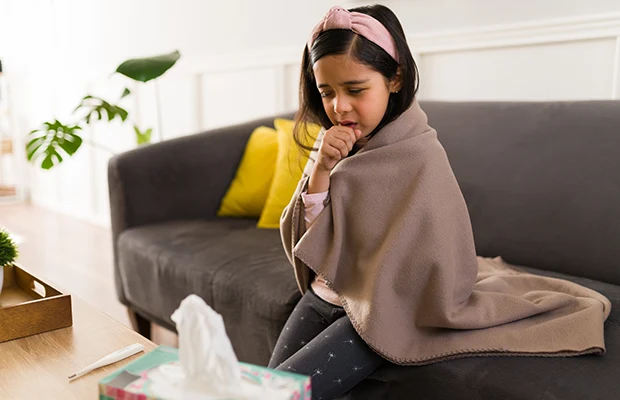
As we hear more warnings about the rise of whooping cough, also known as pertussis, it’s important to remember that it’s better to be prepared than panicked. Whether you’re trying to protect your child from getting sick or they’re already showing symptoms, knowing what to do makes a big difference.
What’s whooping cough?
Whooping cough is a highly contagious respiratory illness caused by the Bordetella pertussis bacteria. It’s best known for causing uncontrollable coughing fits that can make it hard to breathe. As the name suggests, after excessive coughing, a person may take a deep breath that makes a “whoop” sound.
Early Signs to Look Out For
Whooping cough can be tricky to identify because early symptoms often look like a common cold. These include:
- Mild coughing
- Low-grade fever
- Runny nose
- Sneezing
As the illness gets worse, symptoms intensify and can develop into:
- Severe coughing fits, sometimes followed by vomiting
- A “whoop” sound when breathing in after coughing
- Exhaustion after coughing
- Trouble breathing or pauses in breathing can be associated with severe drops in oxygen, especially in infants
Stopping It in Its Tracks
If you think you or your child has whooping cough:
- See a doctor — Especially if symptoms are getting worse or your child is under 1 year old.
- Wash hands frequently — Wash your hands often and cover your mouth when coughing to reduce the spread.
- Reduce exposure — Keep sick people away from babies or anyone with a weak immune system.
- Stay up to date with vaccinations — The DTaP vaccine for children and pregnant women and the Tdap booster for teens and adults are effective prevention options.
Trust Your Instincts and Your Pediatrician
When you’re not sure about symptoms or next steps, don’t wait or worry- reach out to your child’s pediatrician or a respiratory specialist. Open communication with your family doctor is key to making informed decisions.