
Why Eating Fiber Improves Health, Protects the Brain, and May Help You Live Longer
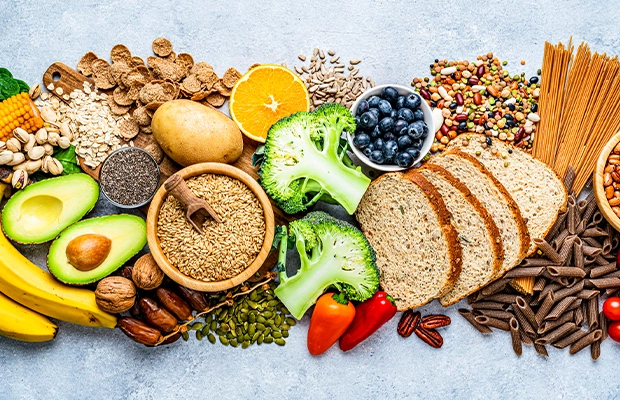
Fiber is one of the most powerful nutrients for long-term health, but it’s often overlooked. Research continues to show that eating enough dietary fiber supports heart health, improves digestion, protects brain function, and may help you live longer. Despite these benefits, most Americans consume far less fiber than recommended.
What’s Fiber and Why Does It Matter?
Dietary fiber is a type of carbohydrate found in plant-based foods. Fiber moves through the digestive system, supporting gut health, regulating blood sugar, and reducing inflammation.
There are two main types:
- Soluble fiber, which helps lower cholesterol and stabilize blood sugar.
- Insoluble fiber, which promotes regular digestion and gut movement.
Both play an essential role in overall wellness.
Fiber and Heart Health
One of the most well-established benefits of fiber is its impact on heart health. Diets rich in fiber have been linked to lower LDL (“bad”) cholesterol, improved blood pressure, and reduced risk of heart disease. Soluble fiber binds to cholesterol in the digestive tract, helping remove it from the body before it enters the bloodstream.
Fiber’s Role in Brain Health and Longevity
Research shows that fiber doesn’t just benefit the body, it also supports the brain. Fiber helps maintain a healthy gut microbiome, which communicates directly with the brain through the gut-brain axis. A balanced microbiome has been associated with improved memory, mood regulation, and reduced risk of cognitive decline.
High-fiber diets are also linked to longer life expectancy. Studies suggest that people who consistently eat fiber-rich foods experience lower rates of chronic diseases including diabetes, stroke, and certain cancers.
Fiber-Friendly Meals to Prepare at Home
Incorporating fiber into daily meals doesn’t have to be complicated. Here are simple, fiber-rich meal ideas you can prepare at home:
Breakfast
- Oatmeal topped with berries, chia seeds, and ground flaxseed
- Whole-grain toast with avocado and a sprinkle of seeds
Lunch
- Lentil or bean-based soups
- Quinoa salad with vegetables, chickpeas, and olive oil
Dinner
- Baked salmon with roasted vegetables and brown rice
- Stir-fried tofu with broccoli, bell peppers, and whole-grain noodles
Snacks
- Apples or pears with the skin on
- Hummus with carrots or whole-grain crackers
How Much Fiber Do You Need?
Most adults should aim for 25 to 38 grams of fiber per day, depending on age and gender. Try to increase fiber gradually and drink plenty of water to avoid digestive discomfort.
The Bottom Line
Fiber is key to preventive health. From improving digestion and heart health to supporting brain function and longevity, eating more fiber-rich foods is one of the simplest, most impactful changes you can make for your health.