
Why More Women Are Choosing Pregnancy Later in Life

Rodrigo Ruano, OBGYN, MFM
“Is there a right age to become a mother?” For many women today, the answer looks different than it did for past generations. More women are now waiting until their 30s, 40s, or even 50s (yes 50s!) to start their families, often after finishing school, building careers, or reaching personal and financial stability.
The Benefits of Waiting
There are advantages to later motherhood:
- Emotional readiness: Many women feel more prepared to handle the challenges of parenting.
- Financial stability: Having more resources can help reduce stress and provide a strong foundation for raising a child.
- Life experience: Confidence, patience, and relationship security often grow with age, which can positively shape the parenting journey.
Risks to Keep in Mind
While later pregnancies can be healthy, age does bring certain medical considerations:
- Fertility declines: Women are born with a limited number of eggs, which decrease in quality and quantity over time. Conception may take longer.
- Pregnancy complications: Conditions such as gestational diabetes, high blood pressure, heart diseases, and the need for a C-section become more common after 35.
- Higher chance of multiples: Hormonal changes can increase the odds of releasing more than one egg during a cycle. Assisted reproductive treatments like in vitro fertilization (IVF) also raise the chances of having twins or more.
- Baby’s health: Risks of premature birth, low birth weight, and chromosomal conditions increase with maternal age.
- Pregnancy loss: The chances of miscarriage and stillbirth are higher, often linked to egg quality or underlying health issues.
How to Prepare
The good news is that many women over 35 go on to have safe, healthy pregnancies. The key is planning and proactive care:
- Preconception check-up and consultation: Meet with your doctor to review your health, evaluate your health status, and discuss fertility options.
- Healthy lifestyle: Eat a balanced diet, stay active with safe exercise, and avoid smoking, alcohol, and recreational drugs. You can also start prenatal vitamins such as folic acid.
- Prenatal care: Once you’re pregnant, keep up with all appointments to monitor your health and your baby’s growth with doctors specialized in this condition also known as, maternal-fetal medicine doctors.
- Advanced options: Fertility treatments such as IVF and egg freezing give women more flexibility in family planning. Prenatal screenings can also help detect certain conditions early.
The Bottom Line
Motherhood later in life is no longer unusual. With modern medicine, it can be safe and fulfilling, but needs care with specialized physicians. The “right time” to become a parent is deeply personal. By understanding both the benefits and risks, and by working closely with your doctors, you can make confident decisions to give your baby the best possible start.
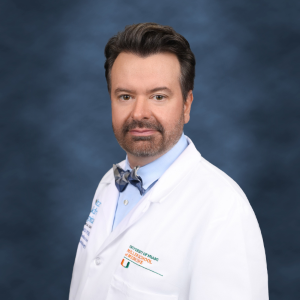
Rodrigo Ruano, MD, PhD
Maternal-Fetal Medicine, Obstetrics & Gynecology
Dept. OBGYN & Reproductive Science – Maternal-Fetal Div
1150 NW 14th Street Miami, Florida 33136
Doral Commons
7400 N.W. 104th Avenue Suite D103, Doral, Florida 33178
UHealth Jackson Fetal Care Center
1611 NW 12 Avenue, East Tower, 7A, Holtz Children’s Hospital Miami, Florida 33136
UHealth Kendall
8932 S.W. 97th Avenue Suite L, Miami, Florida 33177