
Wildfires in South Florida: How Smoke Can Impact Your Respiratory Health and How to Protect Yourself
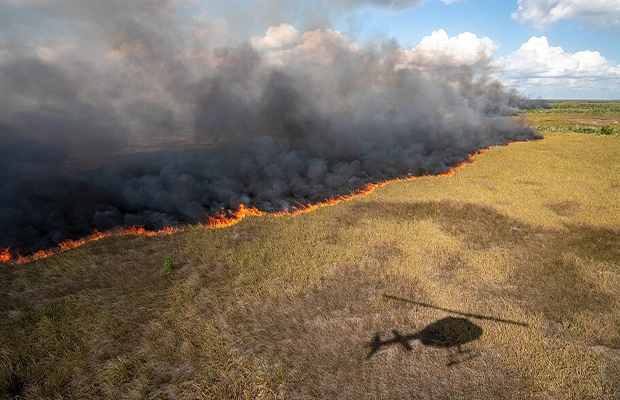
Large wildfires burning in parts of Broward and Miami-Dade counties have sent heavy smoke across South Florida skies, raising concerns about air quality and respiratory health. The Max Road fire, one of several brush fires burning across South Florida, located west of U.S. 27 near North Krome Avenue and Northwest 186th Street, has burned thousands of acres and affected communities including Miramar, Pembroke Pines, Weston, and areas throughout western Miami-Dade.
While firefighters continue working to contain the blaze, doctors say the smoke itself can create health risks for people both near and far from the fire zone.
Why Wildfire Smoke Can Be Dangerous
Wildfire smoke is made up of gases and tiny particles released when vegetation like trees, plants, bushes, and other materials burn. One of the biggest concerns is tiny particles in the air known as PM2.5 — tiny particles small enough to travel deep into the lungs and even enter the bloodstream.
Smoke exposure can irritate the eyes, nose, throat, and lungs, even in otherwise healthy people. For individuals with asthma, chronic lung disease like COPD, heart disease, or other ongoing conditions, wildfire smoke may worsen symptoms and increase the risk of complications.
Common symptoms may include:
- Coughing
- Wheezing
- Sore throat
- Burning eyes
- Chest tightness
- Shortness of breath
- Headaches
Children, older adults, pregnant women, and people with underlying respiratory conditions are especially vulnerable to poor air quality during wildfire events.
Smoke Can Travel Miles Beyond the Fire
Even if you aren’t close to active flames, wildfire smoke can still affect your area. Wind patterns can push smoke across county lines and reduce air quality far from the burn site.
South Florida’s dry conditions and drought have also increased wildfire activity this season, making it ideal for fires to spread quickly through sawgrass and brush areas.
How to Protect Yourself During Wildfire Smoke Events
Stay Indoors When Possible
Try to remain indoors with windows and doors closed, especially during periods of heavy smoke. If possible, avoid outdoor exercise or hard physical activity, including running, biking, or yard work.
Use Air Conditioning Properly
Run your air conditioning on recirculation mode to help prevent smoky outdoor air from entering your home. Replacing air filters regularly may also help improve indoor air quality.
Wear a High-Quality Mask Outdoors
If you have to spend time outside in smoky conditions, a properly fitted N95 or KN95 mask can help filter harmful particles from the air. Cloth masks and surgical masks are generally less effective against wildfire smoke particles.
Monitor Air Quality Conditions
Residents should stay updated through local weather reports, county alerts, and air quality monitoring tools. Conditions can change quickly depending on wind and fire activity.
Keep Medications Nearby
People with asthma or chronic lung disease should keep rescue inhalers and medications nearby and follow their treatment plans carefully during smoke events.
When to Seek Medical Attention
Get medical care immediately if you experience:
- Difficulty breathing
- Severe wheezing
- Chest pain
- Blue lips or fingertips
- Dizziness or confusion
- Symptoms that worsen or don’t get better indoors
Parents should also monitor children closely, as children breathe more air relative to their body size and may be more sensitive to smoke exposure.
As wildfire activity continues across South Florida, experts say staying informed and reducing smoke exposure are among the best ways to protect respiratory health during fire season.
evergladesnps, Public domain, via Wikimedia Commons
.jpg)