
Woman Suffering From Chronic Kidney Disease and High Antibodies Saved with Kidney Transplant at Miami Transplant Institute


By: Krysten Brenlla
Christin Cerda, 44, prided herself on living a healthy and active lifestyle. However, in 2009, she started to chronically feel something she wasn’t familiar with – tired.
“I thought I was pregnant, so I visited my OB-GYN for a check-up just in case. I wasn’t pregnant, and my doctor just told me to take it easy,” Cerda said. “As I was walking to my car, she sent her nurse out after me to do some blood work, just in case. Two days later, I got a call back that changed my life.”
She needed to make an appointment with a nephrologist as soon as possible – Cerda’s kidneys were failing.
“I was living in Houston at that time, and I didn’t know where to begin,” she said. “When I finally saw my nephrologist, he told me I was in stage 4 kidney failure.”
Her Houston team attempted to save her kidney function with steroids and treatments, but after several months, Cerda’s health continued to decline, and she needed dialysis.
After nearly four years on dialysis treatment, she received her first kidney transplant in Houston in 2013.
Cerda lived with the new kidney for seven years until she started suffering from urinary tract and kidney infections. In 2020, she went to the hospital, where they told her that her kidneys were failing again. Cerda also had high antibodies, which made it more difficult to find a new donor match.
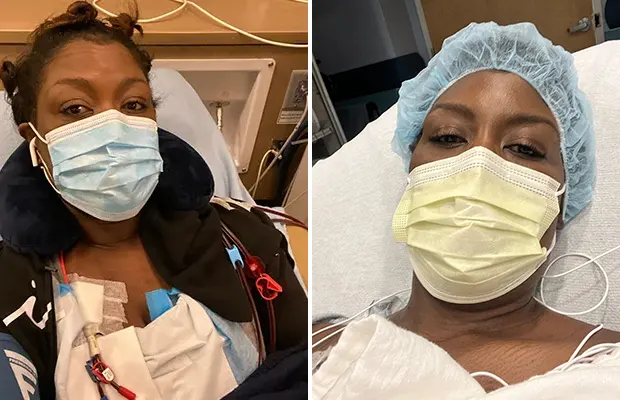
“I spent 21 days in the hospital in Atlanta. They placed me on the list again, and I went back on dialysis,” she said. “I spent three more years waiting for another match, but it never came – until a doctor told me to try Miami.”
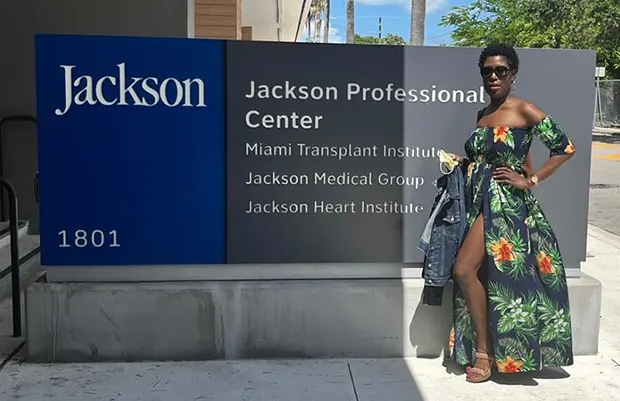
Cerda decided to take the risk, leading her to seek another opinion for a second kidney transplant at the Miami Transplant Institute (MTI), an affiliation between Jackson Health System and UHealth – University of Miami Health System, renowned for its expertise in treating patients with high antibody levels.
“Some people develop antibodies after different circumstances, such as pregnancy, after blood transfusions, or prior organ transplantation. These patients are considered ‘highly sensitized’ against other people,” said Adela Mattiazzi, MD, director of MTI’s highly sensitized kidney and pancreas transplant program. “Ideally, we should transplant patients with zero percent antibody levels. Christin was at 92 percent.”
To help lower her antibody count, the team at MTI attempted different treatment options and monitored her levels closely.
“We tried to open all the possible doors for donors for her,” Dr. Mattiazzi said. “With highly sensitized patients, they could be waiting five, even 10 years for a match or donor that may never come.”
Despite the challenges, Cerda received the call she was waiting for. After a year and a half of listing at MTI, a match was found.
“I remember telling my mom that I was so tired, and I didn’t know how much longer I could keep doing dialysis,” Cerda said. “Not even 24 hours later, they called me to let me know there was a kidney match from California. I can’t even describe how I felt in that moment.”
On March 20, 2024, Cerda underwent a successful kidney transplant at MTI. After spending six days in the hospital, she was discharged with minimal pain.
Today, she feels better than ever. Before her second transplant, Cerda began to advocate for kidney transplantation through different speaking engagements in her local community. She then started speaking in front of a national audience, and as a result, she landed a job as the development manager at the National Kidney Foundation.
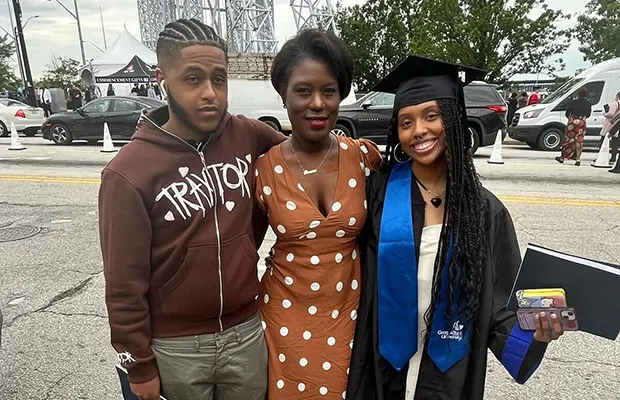
“It was a full circle moment,” Cerda said. “My passion is to talk to people in underrepresented communities, and hopefully, my voice and story can help others get over their fears around kidney transplantation.”
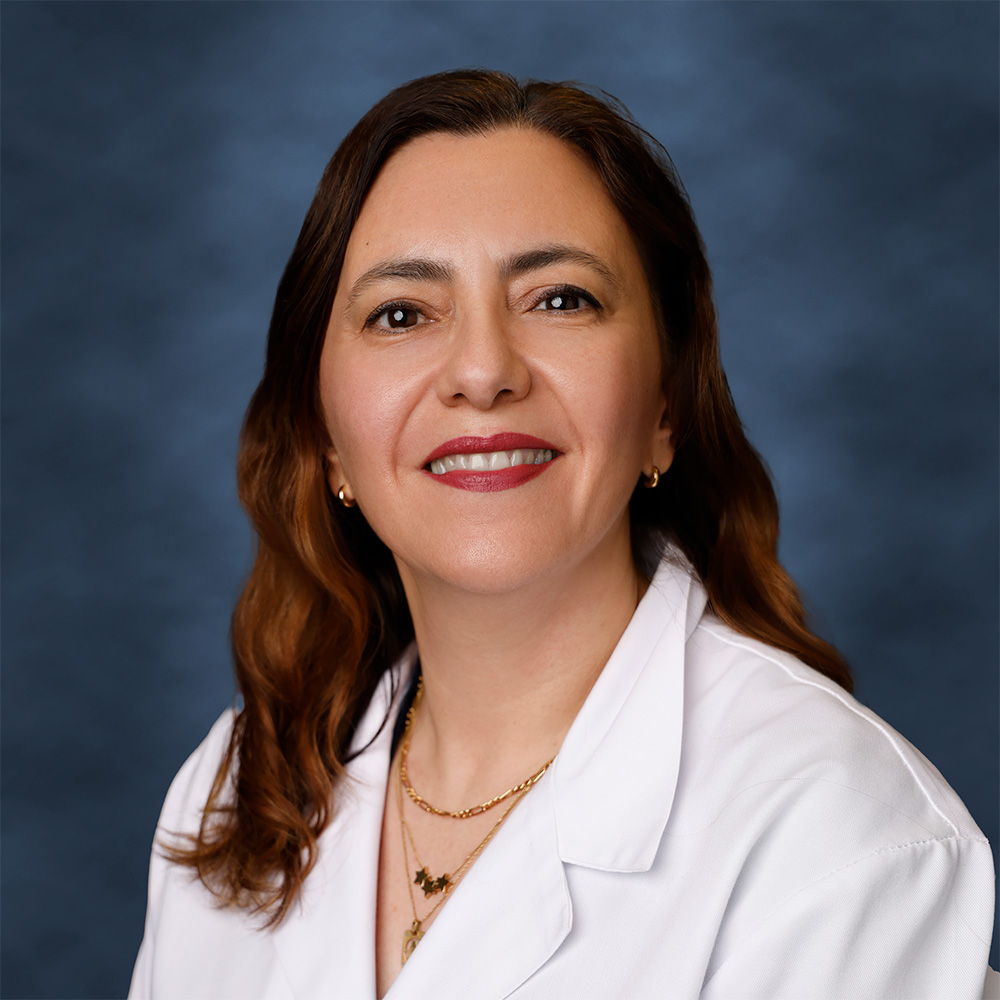
Adela Mattiazzi, MD
Nephrology
Miami Transplant Institute
1801 NW 9th Avenue Miami, Florida 33136