
Women at high risk of developing thyroid disorder
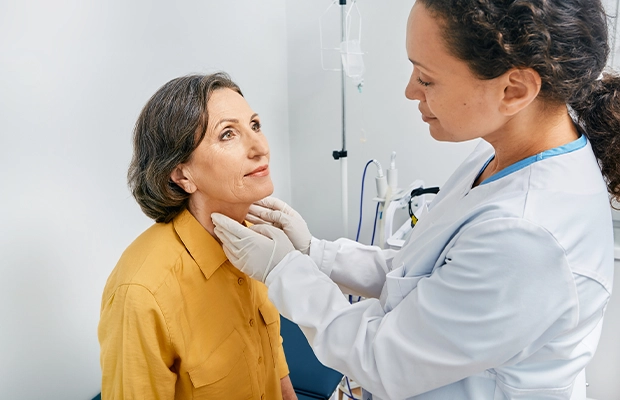
The thyroid is a small, yet critical, gland that supports things like your metabolism, body temperature, and heart rate. The way it functions – or doesn’t – can affect almost every part of your body.
There are a number of things that can affect the thyroid, and women tend to be at a higher risk of developing disorders in comparison to men. It’s important to know what a healthy and unhealthy thyroid looks like.
1. Where is the thyroid in the body, and what function does it serve?
The thyroid is a gland in the neck that is responsible for growth/development through hormone production.
- The basal metabolic rate is increased by thyroid hormones. This is how the process of eating and digesting food is regulated.
- Development in both growth and the brain is possible because of hormones the thyroid produces.
- The strength and rate of a heartbeat is regulated by these hormones.
- Reproduction, sleep, and thought patterns are also supported.
2. Who should be getting thyroid testing?
There is a critical need for increased awareness about the importance of thyroid testing in infants, pregnant women, and those planning pregnancy. Upon birth, if a baby’s thyroid is not developed properly, symptoms can show right away. If left untreated, this can lead to further complications. It is especially important for women to get tested as symptoms for thyroid disorders may present as regular signs of aging, and are often ignored. Puberty, menstruation, and fertility are all impacted by the thyroid.
3. What are hypothyroidism and hyperthyroidism, and what are their symptoms?
An underactive thyroid, also known as hypothyroidism, occurs when the gland is under-producing hormones. The initial symptoms are weight gain and fatigue. As the condition progresses, these are some of the symptoms to look out for:
- Increased sensitivity to cold
- Exhaustion
- Muscle weakness or aches
- Depression
- Memory problems
- Course hair and skin
- Slowed heart rate
The symptoms of hypothyroidism can commonly be mistaken as regular symptoms of aging, which is why it is so important to be aware of the condition and monitor these symptoms. It is encouraged to contact your healthcare provider if you experience symptoms of hypothyroidism in order to manage care.
Hyperthyroidism is the opposite of hypothyroidism, and occurs when the gland is overproducing hormones. Just as the condition is the opposite, the symptoms are as well. The bodily functions are sped up, resulting in symptoms like weight loss, anxiety, and a rapid heartbeat.
4. Why are women more at risk of thyroid disorders??
Experts note that women have a one in eight chance of developing a thyroid disorder in their lifetime. This is because of the complexity of the female reproductive system and constant changes throughout a women’s natural monthly cycle. Women also tend to have more autoimmune illnesses than men, and thyroid diseases are categorized as autoimmune. Other autoimmune diseases often occur together with thyroid disorders. For example, it’s not uncommon to find thyroid disease along with diabetes, celiac disease, or rheumatoid arthritis. No two thyroid patients are the same – everyone’s experience is unique; characteristics may vary based on medication absorption, symptomology, thyroid stimulating hormone (TSH) fluctuation, etc.
If you’re experiencing potential symptoms of a thyroid disorder, make sure to consult with your primary care physician or a referred endocrinologist.