

COVID-19 Vaccines, Fertility, and Pregnancy
What You Need to Know If You’re Pregnant, Trying to Get Pregnant, or Breastfeeding
If you are pregnant, trying to get pregnant, or are breastfeeding, you may have questions regarding the COVID-19 vaccine and whether it’s safe for you and your growing family. Here’s what our fertility, OB-GYN, and maternal-fetal medicine experts have to say.
As those in our community continue to get vaccinated against COVID-19, there are stil several questions around how the vaccines affect fertility and pregnancy. While there are currently no risks associated with receiving the available vaccine options while pregnant or trying to get pregnant, data has shown that pregnant people have an increased chance of becoming severely ill with COVID-19 when compared to non-pregnant people who contract the virus.
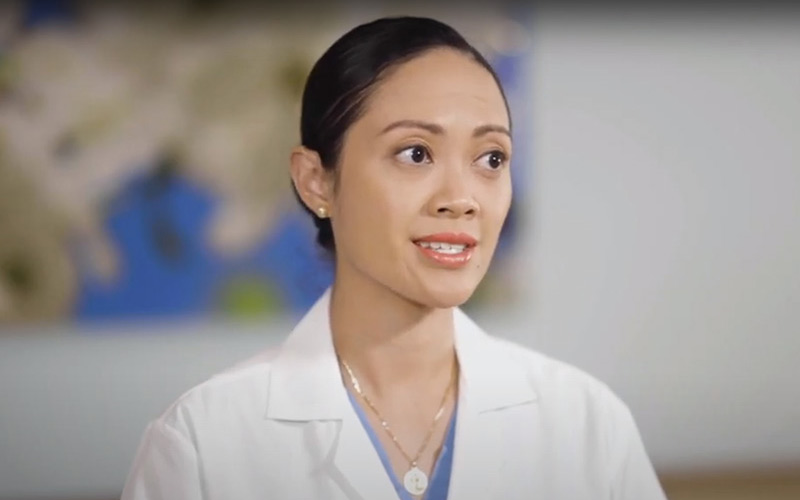
Learn more from our team of fertility, OB-GYN and maternal-fetal medicine experts as they answer common questions about COVID-19 vaccines, fertility, pregnancy, and breastfeeding.
Description
As those in our community continue to get vaccinated against COVID-19, there are stil several questions around how the vaccines affect fertility and pregnancy. While there are currently no risks associated with receiving the available vaccine options while pregnant or trying to get pregnant, data has shown that pregnant people have an increased chance of becoming severely ill with COVID-19 when compared to non-pregnant people who contract the virus.
Learn more from our team of fertility, OB-GYN and maternal-fetal medicine experts as they answer common questions about COVID-19 vaccines, fertility, pregnancy, and breastfeeding.

Quick Facts
Risks of Not Receiving a COVID-19 Vaccine

Increased risk of exposure to COVID-19 virus.

Increased risk of severe illness for both the pregnant person and their unborn child from COVID-19, if contracted.
Benefits of Receiving a COVID-19 Vaccine

Potential antibodies that protect the pregnant person and their baby both during pregnancy and while breastfeeding.

Increasing data that suggests that the available COVID-19 vaccines are unlikely to pose a significant risk to fertility or pregnancy.
FAQs
Accordion
Yes, people who are pregnant or breastfeeding are eligible to receive the COVID-19 vaccine, according to guidelines set by the Centers for Disease Control and Prevention (CDC).
Pregnant people are at an increased risk of severe illness from COVID-19 when compared to those who contract the virus and are not pregnant. Severe illness can lead to hospitalization, intensive care, and the use of a ventilator or special equipment to help with breathing.
Pregnant people with COVID-19 are also at increased risk for preterm birth (delivering the baby earlier than 37 weeks) and other potential complications.
According to the CDC, there is limited data available about the safety of the COVID-19 vaccine amongst people who are pregnant. Based on how the vaccines work in the body, experts believe they are unlikely to pose a significant risk. If you are pregnant and have questions or concerns about receiving a COVID-19 vaccine, you should discuss them with your healthcare provider prior to getting vaccinated.
No, the potential side effects of the COVID-19 vaccine are the same across all populations. They include pain or soreness at the injection site, fatigue, headaches, muscle aches, chills, and fever.
Unfounded claims linking COVID-19 vaccines to infertility have been scientifically disproven. Based on the CDC, there is no evidence that any of the available COVID-19 vaccines cause infertility or reduce your natural fertility.
According to the American Society of Reproductive Medicine, COVID-19 vaccination is recommended for people who are contemplating pregnancy or who are pregnant to minimize risks to themselves and their pregnancy.
There is limited data available about the safety of COVID-19 vaccines for people who are breastfeeding. According to the CDC, based on how the vaccines work in the body, experts believe they are unlikely to pose a significant risk to lactating mothers and their children. Additionally, COVID-19 vaccines cannot cause infection in any recipient, including those who are breastfeeding. If you are breastfeeding and have questions or concerns about receiving a COVID-19 vaccine, you should discuss them with your healthcare provider prior to getting vaccinated.
In a recent study featured in the Journal of the American Medical Association, two types of antibodies were found in breast milk after vaccination. This suggests potential protection against the COVID-19 infection for infants. None of the mothers or their infants experienced any serious adverse events during the six-week study period.
While there is limited data available about the efficacy of COVID-19 vaccines amongst pregnant people, the vaccines appear to be equally effective in those who are pregnant and those who are not.
The Experts
Michael J. Paidas, MD, is the chief of service for obstetrics and gynecology at Jackson Health System and chair of the Department of Obstetrics and Gynecology at the University of Miami Miller School of Medicine and UHealth. For more than 20 years, Dr. Paidas has focused his career on the fields of reproduction, perinatal medicine, and hemostasis. He is board certified in obstetrics and gynecology, as well as maternal-fetal medicine.
George Attia, MD, FACOG, is the director of the UHealth Fertility Center, as well as director of the Division of Reproductive Endocrinology and Infertility and associate professor at the University of Miami Miller School of Medicine. Dr. Attia is a long-time expert in the field of reproductive medicine. He has authored several scientific publications in the field of reproductive endocrinology and fertility, and has served as a senior investigator in many clinical trials. Dr. Attia is board certified in obstetrics and gynecology and reproductive infertility.
Yvette Cordova, MD, FACOG, is the medical director of maternal-fetal medicine for Jackson Medical Group. She is fellowship trained and board certified in maternal-fetal medicine and obstetrics and gynecology. Dr. Cordova’s specialties include high-risk pregnancy, genetic amniocentesis, genetic screening, and prenatal diagnosis.
Angela Reyes-Truong, MD, is the associate medical director of obstetrics and gynecology for Jackson Medical Group. She is board certified in obstetrics and gynecology, and specializes in obstetrical care, pre-conception counseling, and benign gynecology, among other services related to women’s health.
Michael J. Paidas, MD, is the chief of service for obstetrics and gynecology at Jackson Health System and chair of the Department of Obstetrics and Gynecology at the University of Miami Miller School of Medicine and UHealth. For more than 20 years, Dr. Paidas has focused his career on the fields of reproduction, perinatal medicine, and hemostasis. He is board certified in obstetrics and gynecology, as well as maternal-fetal medicine.
George Attia, MD, FACOG, is the director of the UHealth Fertility Center, as well as director of the Division of Reproductive Endocrinology and Infertility and associate professor at the University of Miami Miller School of Medicine. Dr. Attia is a long-time expert in the field of reproductive medicine. He has authored several scientific publications in the field of reproductive endocrinology and fertility, and has served as a senior investigator in many clinical trials. Dr. Attia is board certified in obstetrics and gynecology and reproductive infertility.
Yvette Cordova, MD, FACOG, is the medical director of maternal-fetal medicine for Jackson Medical Group. She is fellowship trained and board certified in maternal-fetal medicine and obstetrics and gynecology. Dr. Cordova’s specialties include high-risk pregnancy, genetic amniocentesis, genetic screening, and prenatal diagnosis.
Angela Reyes-Truong, MD, is the associate medical director of obstetrics and gynecology for Jackson Medical Group. She is board certified in obstetrics and gynecology, and specializes in obstetrical care, pre-conception counseling, and benign gynecology, among other services related to women’s health.