
FDA Approves First Medication for Obstructive Sleep Apnea
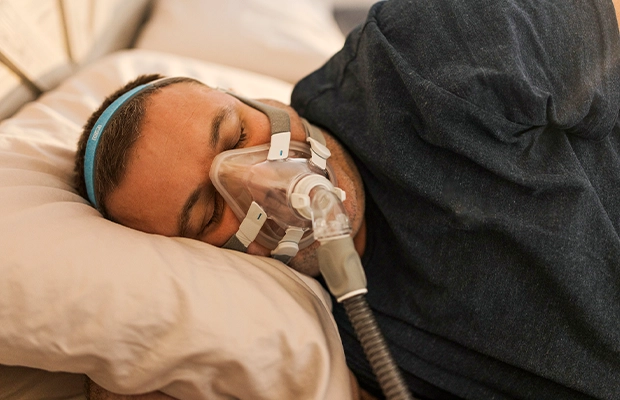
The U.S. Food and Drug Administration (FDA) has approved Zepbound as the first prescription medicine to treat moderate-to-severe obstructive sleep apnea (OSA) in overweight adults. This approval marks a major milestone in addressing a condition that affects millions of Americans, and is closely linked to obesity. But for some patients, bariatric surgery has also proven to be a powerful tool in tackling OSA.
What’s obstructive sleep apnea?
Obstructive sleep apnea, or OSA, is a disorder that causes breathing to repeatedly stop and start during sleep due to a blocked airway. If left untreated, it can lead to serious health issues, including heart disease, diabetes, and chronic fatigue. While OSA can affect anyone, it’s more common in people who’re obese.
The Link Between Obesity and OSA
Obesity and OSA are often interconnected, with each condition worsening the other. Here’s how they’re related:
- How obesity contributes to OSA:
- Fat deposits: Fat accumulation in the upper airway tissues can narrow the airway and increase the risk of collapse during sleep.
- Compressed chest wall: Extra belly fat can put pressure on the chest wall, reducing lung capacity and making breathing harder.
- How OSA contributes to obesity:
- Weight gain: People with OSA are more likely to experience weight gain than those without the condition, creating a cycle that makes each disorder worse.
Zepbound: A New Option for Sleep Apnea
Zepbound, previously used as a weight-loss drug, is now the first FDA-approved medication for moderate-to-severe OSA in obese adults. The drug works by activating receptors in two key hormones to reduce appetite and overeating. By helping patients lose weight, Zepbound has been shown to improve OSA symptoms in clinical studies.
Who can use Zepbound?
This medication is intended for:
- Obese adults: Those with a body mass index (BMI) in the obese range.
- Patients with moderate-to-severe OSA: People experiencing significant sleep apnea symptoms that impact their quality of life.
Important Considerations:
If you’re considering Zepbound, it’s important to:
- Talk to your doctor to determine whether the medication is right for you.
- Report any side effects to your doctor, especially those that persist or get worse.
- Remember that Zepbound should be part of a broader treatment plan, including diet changes, exercise, and regular checkups.
Bariatric Surgery: A Long-Standing Solution for Sleep Apnea
While Zepbound represents a promising new treatment option, bariatric surgery has long been recognized as an effective way to address both obesity and OSA. In fact, studies show that significant weight loss resulting from bariatric surgery can lead to a dramatic improvement in sleep apnea symptoms, and in some cases, it may even eliminate the need for other treatments, like continuous positive airway pressure (CPAP) therapy.
How Bariatric Surgery Helps Sleep Apnea
Bariatric surgery involves significant weight loss that can have life-changing effects. Here’s how it helps:
- Reduction of fat in the upper airway: As patients lose weight, particularly around the neck and throat area, the airway becomes less obstructed, leading to fewer or less severe apneas during sleep.
- Improved respiratory function: With less excess weight, there’s less pressure on the chest, making it easier to breathe.
- Reduction in fat around the diaphragm: Decreasing belly fat also improves lung capacity, further supporting better sleep quality.
A Promising Step Forward
The approval of Zepbound and the proven benefits of bariatric surgery offer hope to millions of people living with OSA. Both approaches address the root cause—obesity—and not only help alleviate sleep apnea symptoms but also support overall health.
If you or a loved one struggles with OSA and are interested in learning more about weight-loss solutions, call 305-585-TRIM for information about Jackson’s bariatric services.