
How Bariatric Surgery Helped Guinness World Record Free Diver Take His Life Back

By: Carla Palmer
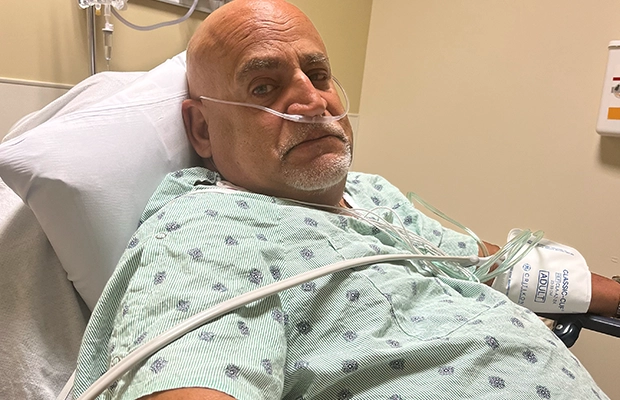
When Humberto Torres began gaining weight in his 50s, he didn’t just feel the extra pounds; he felt like he was losing part of his identity.
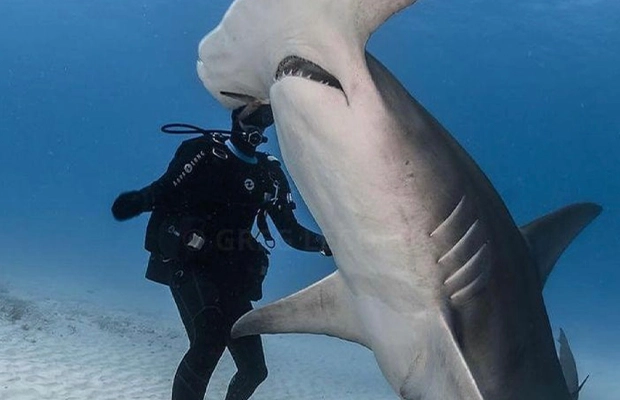
Born in Varadero, Cuba and raised in Miami from the age of four, the retired diving instructor once held five Guinness World Records for the deepest single-breath free dives on Earth.
At his peak weight, he was more than 300 pounds, battled diabetes and severe sleep apnea, and found himself struggling to stay active.
“I was feeling ashamed of myself,” Torres shared. “I’ve always been into sports, and suddenly, I didn’t feel like me anymore.”
In 2023, he made a life-changing decision: to undergo gastric sleeve surgery under the care of Eddie Gomez, MD, a bariatric surgeon at Jackson South Medical Center and Jackson West Medical Center.
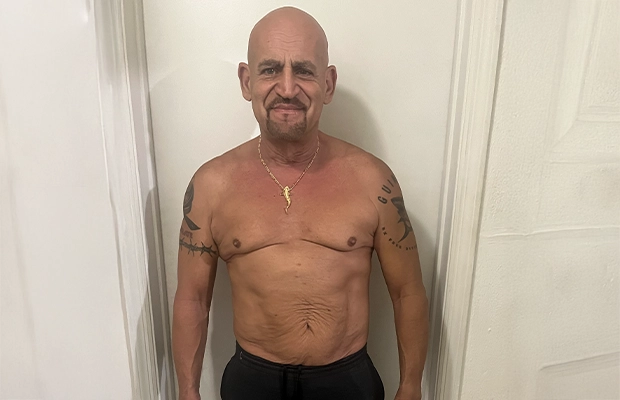
“I went from a waist size 38–40 to a 31,” Torres said about his experience after the procedure. “My sleep apnea? Gone. I don’t need the machines anymore. And my diabetes? It’s gone, too.”
For Dr. Gomez, Torres’ story is one of many he sees daily — patients taking back their lives.
“The surgery itself isn’t complicated,” Dr. Gomez said. “What’s complicated is helping the patient understand that the surgery is just a tool. Without real lifestyle changes, the weight can come back.”
Before any surgery is approved, patients must go through medical testing, meet with a psychologist, and show they’re ready to embrace the post-surgery lifestyle. That includes healthier eating habits, increased physical activity, and long-term commitment.
“Success is very attainable,” Dr. Gomez said. “But it’s not automatic. Patients have to take this seriously.”
Torres did. Now, more than a year later, he’s not just maintaining his weight loss, he’s helping to inspire others, including his own family.
After watching Torres’ transformation, his wife, Olga, decided to take her own health seriously. Struggling with non-alcoholic fatty liver disease and facing serious medical concerns, she underwent bariatric surgery on September 17, 2025 at Jackson West.
“My wife had complications that made surgery a medical necessity,” Torres said. “Dr. Gomez was clear—he only does the surgery when it’s truly needed. And for her, it was.”
Now, the family is looking ahead — not just to weight loss, but to lifelong health.
“My only goal now is to stay healthy,” Torres said.
Gastric sleeve surgery works by removing about 70 to 75 percent of the stomach, reducing its size to a thin tube or “sleeve.” This not only limits how much a person can eat, but also reduces the production of ghrelin, a hormone that triggers hunger.
The result? People feel full faster, feel less hungry, and lose weight—especially in the first six months after surgery.
But, as Dr. Gomez reminds patients, the stomach can still stretch over time if bad habits return.
“It won’t go back to its original size, but it can expand,” he said. “That’s why lifestyle changes are non-negotiable.”
He emphasizes that being active doesn’t mean running marathons.
“Walking more, parking farther away, doing light exercises—it all counts,” Dr. Gomez said. “You just need to move more than you used to.”
Torres now proudly shares his story with others who may be considering surgery.
“I’ve recommended Dr. Gomez to so many people,” he said. “I tell them don’t be afraid. It works, and the team at Jackson is amazing.”
As for whether he’ll dive again and break his own world record?
“My wife won’t let me,” he laughs. “After eight scary incidents in the water, she’s right. It’s time to focus on staying alive and healthy.”
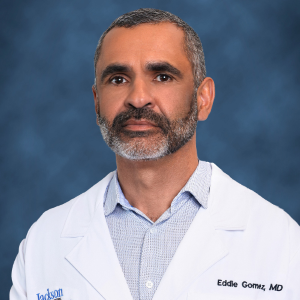
Eddie Gomez, MD
General Surgery
Jackson Medical Group
Jackson Medical Group – Jackson South
9380 SW 150th St. Suite 250, Miami, FL 33176
Jackson Medical Group – Jackson West
2801 N.W. 79th Ave. Suite 401, Doral, FL 33122