
Roberta Flack, Legendary Singer, Dies at 88: Understanding ALS and How it Affects the Body
By Dr. Leslie Morse and Nicole Roche
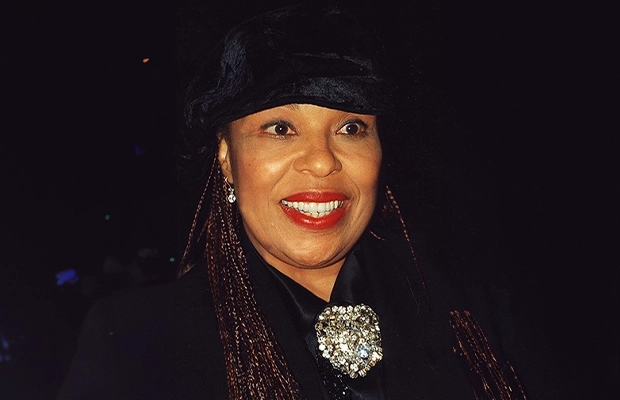
Legendary singer Roberta Flack recently passed away from amyotrophic lateral sclerosis (ALS). In 2022, Flack announced she was diagnosed with ALS, commonly known as Lou Gehrig’s disease. Learn more about the condition, how it impacts the body, and what the recovery journey looks like for those diagnosed.
What’s ALS?
ALS is a progressive and fatal neurological disease that primarily affects the nerve cells that control voluntary muscle movements like walking, talking, and breathing. The disease is named after Lou Gehrig, the famous baseball player who was diagnosed with the condition in the 1930s. While ALS can affect anyone, it’s most commonly diagnosed in people 40 and older.
How does ALS affect the body?
Initially, ALS symptoms are subtle, and include muscle twitching, cramping, or weakness in one part of the body. Over time, the symptoms worsen, leading to more difficulty in performing simple daily tasks. While ALS doesn’t affect patients’ mental capacities, many do experience emotional changes and difficulty expressing themselves as the disease progresses.
What’s the recovery process like?
As ALS is degenerative, treatment mostly involves managing symptoms and improving a patient’s quality of life for as long as possible. The average lifespan after diagnosis is around two to five years, although some, like renowned scientist Stephen Hawking, live longer with the disease. While ALS can’t be cured, many strategies can help manage the symptoms:
- Physical therapy preserves mobility and function through exercises and devices to help patients with their strength and balance.
- Occupational therapy focuses on helping patients with daily activities, such as eating, dressing, and bathing, through adaptive equipment.
- Speech therapy helps patients maintain their ability to communicate for as long as possible. It can also help with swallowing, which reduces the risk of choking.
Those diagnosed with ALS can draw strength from the support of loved ones, healthcare providers, and the larger ALS community, all of whom are working toward a brighter future for those living with this challenging disease.
Dr. Leslie Morse is a physical medicine and rehabilitation specialist, and chief medical officer at Christine E. Lynn Rehabilitation Center for The Miami Project to Cure Paralysis at UHealth/Jackson Memorial.
© copyright JohnMathewSmith 2010, CC BY-SA 2.0, via Wikimedia Commons
